
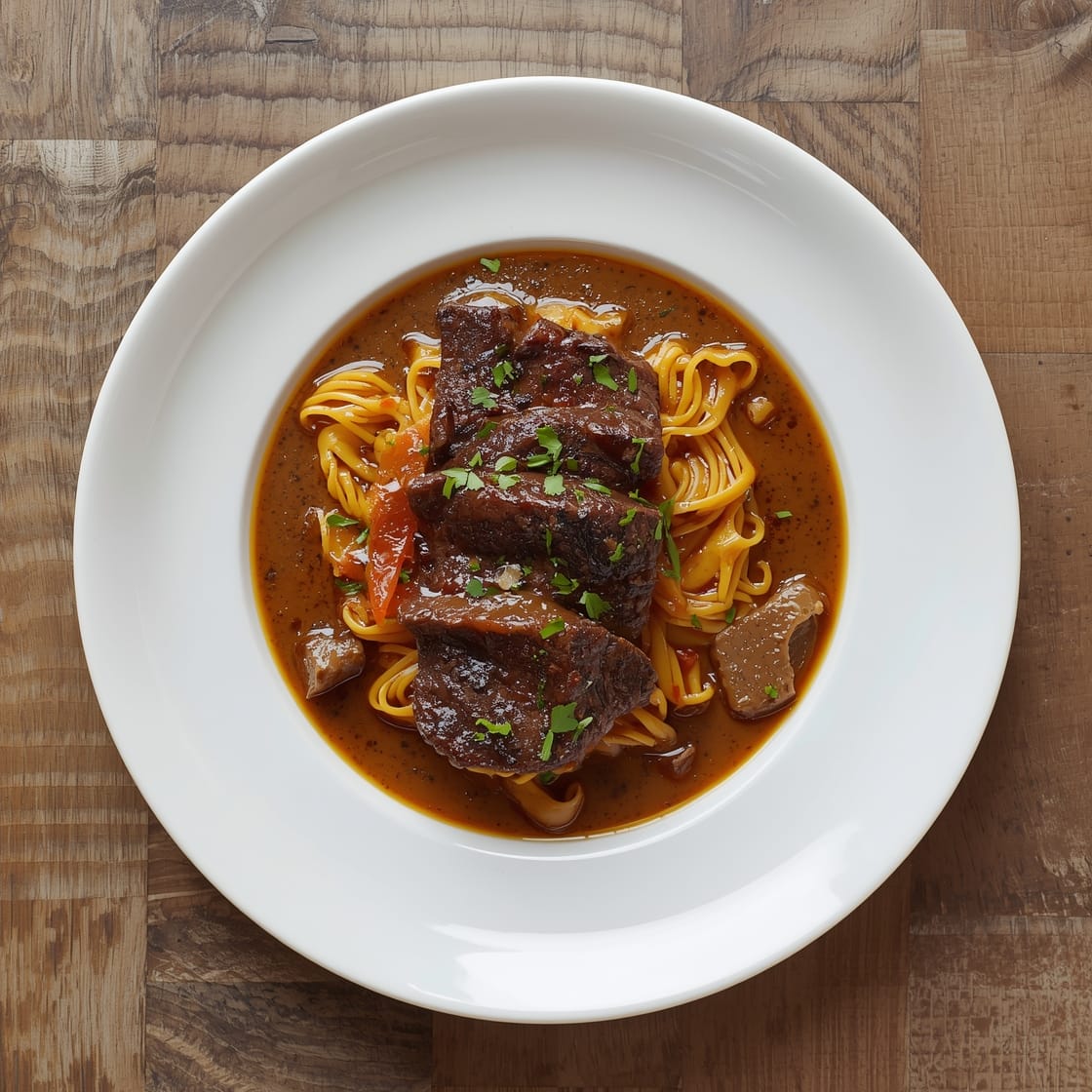
How to Cook Swiss Steak: Best Step-by-Step Guide
Looking for a cozy meal for a cold evening? Swiss steak is a classic dish that brings rich flavor to humble cuts. It becomes tender and delicious with slow-cooking. We’ll show you how to cook it perfectly without stress.
To make how to make swiss steak, you need patience and the right braising liquid. Home cooks in the U.S. love how the meat softens in a heavy pan. Serve it with creamy mashed potatoes or crusty bread for a full meal.
This traditional technique uses tenderizing and slow simmering for the best taste. Our guide makes browning and stewing easy. Impress your family with a dinner that feels like it came from a pro kitchen.
Table of Contents
What Is Swiss Steak and Why You’ll Love It
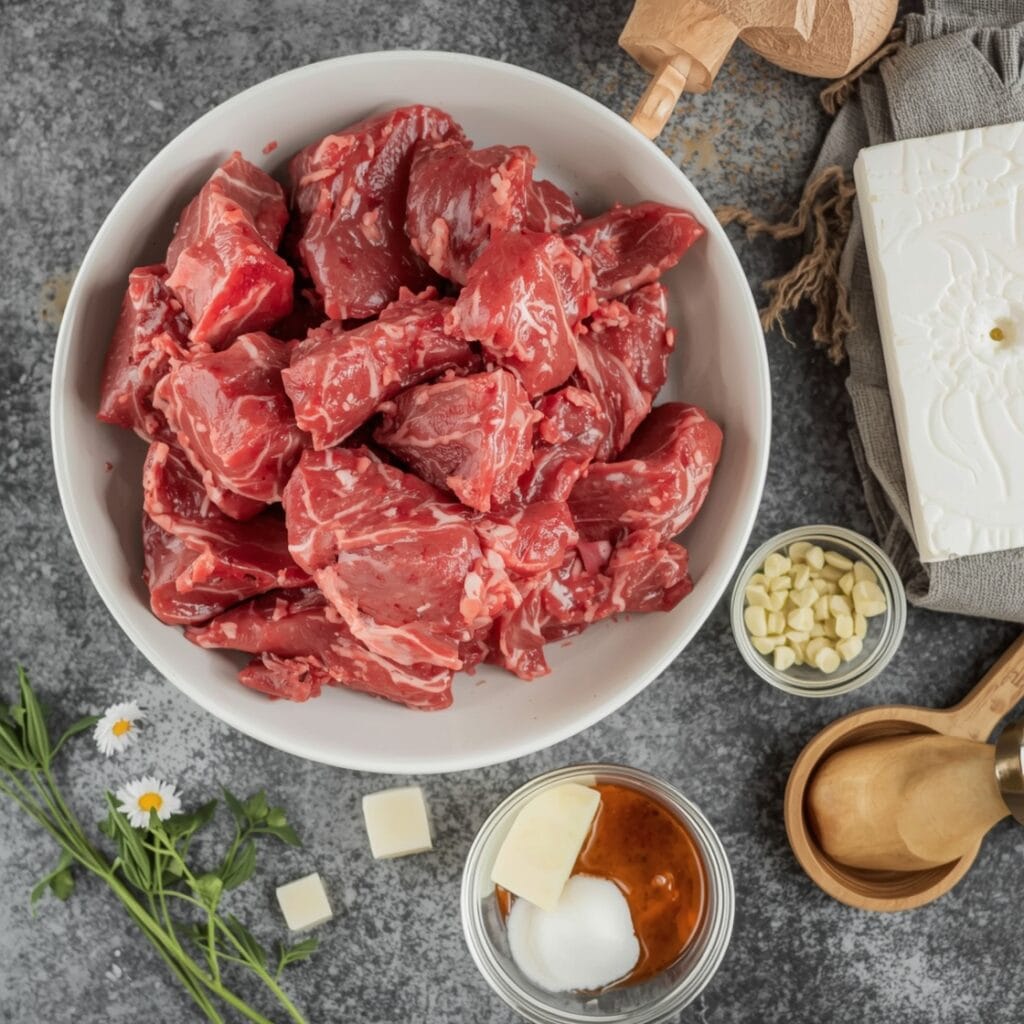
Swiss steak is more than a meal; it’s an experience. It combines simple ingredients with slow-cooked complexity. This classic comfort food has been loved for generations. As you explore Swiss steak, you’ll see why it’s a favorite traditional Swiss steak recipe that warms hearts and homes.
The History and Origins of Swiss Steak
Swiss steak’s origins are not as clear as its name. It doesn’t come from Switzerland. Instead, it’s a US variation of steak recipes. The “Swiss” part likely refers to the tenderizing process.
It became popular in the mid-20th century as a comforting meal. It’s made with affordable beef cuts. Over time, it became a classic Swiss steak dish loved for its flavors and tender texture.
What Makes Swiss Steak Different from Other Beef Dishes
Swiss steak is unique because of its preparation and taste. It uses tougher beef cuts, like round or chuck, which are tenderized. This makes the meat better to eat and helps it soak up sauce flavors.
The slow-cooking in a tomato-based sauce is key. It melds flavors, creating a deep, satisfying taste.
| Characteristics | Swiss Steak | Other Beef Dishes |
|---|---|---|
| Tenderization Method | Pounding or cubing | Varies (grilling, pan-frying) |
| Cooking Method | Slow braising | Varies (grilling, roasting, sautéing) |
| Typical Cut of Beef | Tougher cuts (round, chuck) | Tender cuts (sirloin, ribeye) |
Why This Classic Comfort Food Deserves a Place in Your Kitchen
Swiss steak is a true comfort food. It’s perfect for cold nights or weekend dinners. Its rich flavors and tender texture make it a hit. Plus, it’s easy to make.
Adding Swiss steak to your cooking is more than just a new recipe. It’s embracing a tradition passed down through generations. It’s a dish that encourages you to slow down, enjoy flavors, and share moments with loved ones.
Essential Ingredients and Equipment for Perfect Swiss Steak
For a tasty homemade Swiss steak, pick the right beef and ingredients. Focus on the details to make it tender and flavorful.
Choosing the Right Cut of Beef
Swiss steak uses a tougher beef cut that softens with slow cooking. The round section is the most common choice.
Top Round vs. Bottom Round
The top and bottom rounds work well for Swiss steak. The top round is leaner and even in texture. The bottom round has more fat, making it tender and flavorful with slow cooking.
“The best cut for Swiss steak is often a matter of personal preference,” says a renowned chef. “Some prefer the leaner top round, while others enjoy the richer flavor of the bottom round.”
How to Identify Quality Beef for Swiss Steak
Look for beef with a good balance of lean meat and fat. It should be a deep red color with fat evenly spread. Avoid cuts with too much connective tissue.
- Choose beef with a good marbling score for tenderness.
- Opt for cuts that are at least 1-1.5 inches thick.
- Ensure the beef is fresh and stored properly.
Fresh Vegetables and Aromatics
Fresh veggies and aromatics are key for Swiss steak’s flavor. Onions, garlic, and bell peppers are favorites.
These add flavor, texture, and nutrients. Choose high-quality, fresh veggies for the best Swiss steak.
Flour, Seasonings, and Liquid Ingredients
You’ll need flour for coating, seasonings for flavor, and liquid ingredients like broth and tomatoes for the sauce.
All-purpose flour coats the beef well. A mix of paprika, salt, and black pepper enhances the flavor. Use canned or fresh tomatoes with beef broth for the sauce.
Necessary Kitchen Tools and Cookware
For Swiss steak, you need a meat mallet and a large skillet or Dutch oven. A meat mallet tenderizes the beef. A large skillet or Dutch oven is best for browning and braising.
| Tool/Cookware | Purpose |
|---|---|
| Meat Mallet | Tenderize the beef |
| Large Skillet or Dutch Oven | Browning and braising |
| Tongs or Fork | Turning the beef |
How to Make Swiss Steak: Step-by-Step Instructions
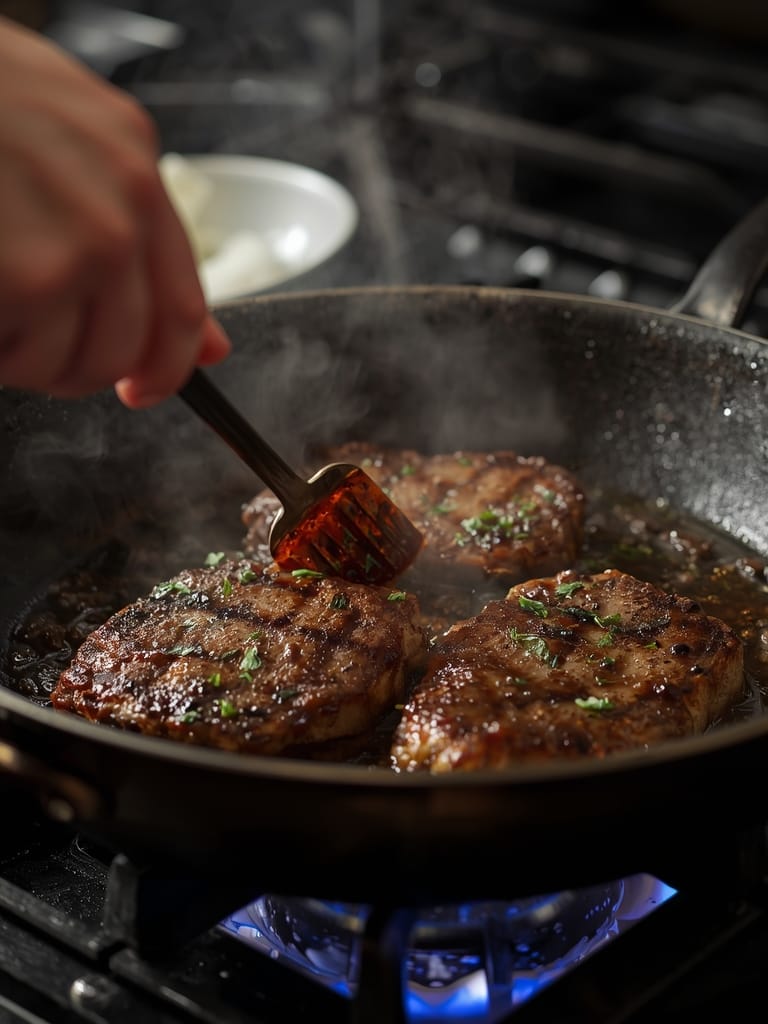
Swiss steak preparation is a multi-step process. It starts with tenderizing the beef and ends with a rich tomato sauce. Follow these steps to make a tender and flavorful dish that your family will love.
Step 1: Pound and Tenderize Your Beef
To start, tenderize the beef. This makes it easier to chew and more palatable.
Proper Meat Tenderizing Technique
Use a meat mallet to gently pound the beef on both sides. This breaks down the fibers, making the meat tender. Be gentle to avoid tearing the meat.
Seasoning the Meat Generously
After tenderizing, season the beef with salt, pepper, and herbs or spices. This step adds depth to the dish.
Step 2: Dredge the Beef in Seasoned Flour
Dredging the beef in seasoned flour creates a flavorful crust. Mix flour with seasonings like paprika or garlic powder. Coat the beef evenly.
Step 3: Sear the Meat Until Golden Brown
Searing the beef locks in juices and adds flavor. It’s a key step.
Getting a Perfect Crust
Heat a skillet over medium-high heat and add oil. Sear the beef until it’s golden brown on both sides. Do this quickly to prevent overcooking.
Temperature and Timing Tips
Make sure the skillet is hot before adding the beef. Searing should take 2-3 minutes per side, depending on the meat’s thickness.
Step 4: Sauté Your Vegetables
After searing the beef, sauté sliced onions and other vegetables in the skillet. This adds flavor and creates a sauce base.
Step 5: Create the Tomato-Based Sauce
Add canned tomatoes, beef broth, and herbs or spices to the skillet. Stir well to combine, scraping up browned bits.
Step 6: Braise Until Fork-Tender
Braising makes the beef tender and flavorful. It’s a slow-cooking method.
Stovetop Braising Method
Return the beef to the skillet, cover it, and simmer on low heat for 2 hours. The meat should be fork-tender.
Oven Braising Method
Or, braise the Swiss steak in a preheated oven at 300°F (150°C) for 2.5 hours. This method ensures even heat.
Slow Cooker Alternative
For a hands-off approach, place the beef and sauce in a slow cooker. Cook on low for 6-8 hours or on high for 3-4 hours.
Step 7: Test for Doneness and Adjust Seasoning
Check the beef for tenderness by inserting a fork. If it’s not tender, braise for another 30 minutes and check again. Adjust the seasoning as needed before serving.
| Braising Method | Time Required |
|---|---|
| Stovetop | 2 hours |
| Oven | 2.5 hours |
| Slow Cooker | 6-8 hours (low), 3-4 hours (high) |
Serving, Pairing, and Storage Tips
Now that you’ve learned how to cook Swiss steak, it’s time to think about serving it. Serving Swiss steak is more than just putting it on a plate. It’s about making a meal that tastes great and wows your guests.
Best Side Dishes for Swiss Steak
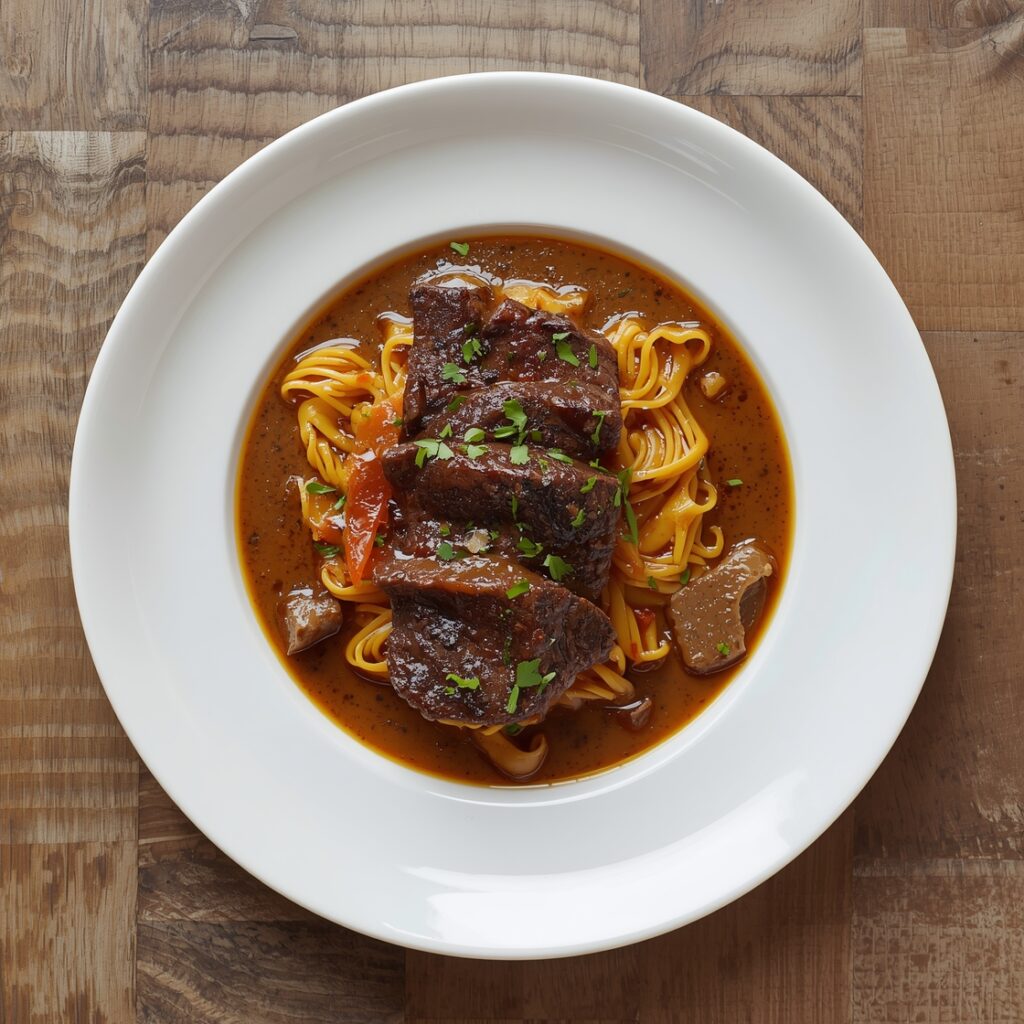
Swiss steak goes well with many side dishes. This makes it a great choice for a complete meal. Here are some popular options:
- Mashed potatoes, which complement the rich flavor of the steak
- Roasted vegetables, such as Brussels sprouts or carrots, for a healthier contrast
- Egg noodles or rice, which can help soak up the savory sauce
- A fresh green salad for a lighter, refreshing side
Plating and Garnishing Your Swiss Steak
The way you present your Swiss steak can make a big difference. Here are some tips:
- Slice the steak against the grain to ensure tenderness
- Arrange the steak on a plate with your chosen side dishes in a visually appealing way
- Garnish with fresh herbs, such as parsley or thyme, to add a pop of color and freshness
- Drizzle some of the sauce over the steak and sides to tie the dish together
Storing Leftovers Properly
If you have leftovers, it’s important to store them right. Cool the Swiss steak to room temperature before refrigerating it in an airtight container. It can stay good in the fridge for up to 3 days.
Reheating Methods That Preserve Flavor and Texture
When reheating Swiss steak, you need to be careful. This helps keep its flavor and texture. You can reheat it in the oven, covered with foil, at a low temperature until warmed through. Or, you can reheat it gently on the stovetop in a saucepan with a little additional liquid (such as broth or water) to prevent drying out.
Conclusion
You now know how to make a tender and flavorful Swiss steak. This dish will soon become a favorite in your kitchen. Just follow the steps in this guide to make a classic Swiss steak that will wow everyone.
Swiss steak is perfect for any time because it’s so rich and comforting. Try different ingredients and pairings to make it your own. Don’t be afraid to try new things.
As you get better at making Swiss steak, you’ll see it’s easy and rewarding. So, start cooking and enjoy making a delicious homemade Swiss steak dish for your loved ones.
FAQ
What exactly defines a traditional swiss steak recipe compared to Salisbury steak?
Salisbury steak is made from ground beef patties. But, a traditional swiss steak uses solid beef cuts like round or chuck. The key to swiss steak is tenderizing the meat before cooking it in a rich tomato gravy until it’s tender.
Which cut of beef should I choose for the best swiss steak recipes?
Choose lean but tough cuts like Top Round or Bottom Round for your swiss steak. These cuts are flavorful but tough. The slow braising process makes them tender and delicious.
Why is the dish called “Swiss” steak if it didn’t originate in Switzerland?
The name “Swiss” comes from the cooking method, not where it’s from. “Swissing” means to smooth out meat with rollers. Using a meat tenderizer does the same thing, making the steak tender.
Do you have any essential swiss steak cooking tips for achieving a perfect sear?
For a great crust, dry the meat before flouring it. Use a Lodge Cast Iron Skillet and Mazola Corn Oil for searing. Sear until it’s golden brown for the best flavor.
Can I use a slow cooker for my swiss steak preparation techniques?
Yes, a Crock-Pot is a great alternative. Sear the beef and cook veggies first. Then, put everything in the slow cooker for 6 to 8 hours. It makes the meat tender and the flavors rich.
How should I store and reheat my homemade swiss steak leftovers?
Store leftovers in an airtight container in the fridge for up to four days. Reheat gently on the stovetop. If the sauce is too thick, add a bit of Swanson Beef Broth.
What are the most common vegetables used in a classic swiss steak dish?
Classic swiss steak often includes yellow onions, green bell peppers, and celery. These are simmered with canned tomatoes or tomato sauce. Together, they create the dish’s savory and slightly acidic flavor.
Did You Try Our Recipe?
There are no reviews yet. Be the first one to write one.