
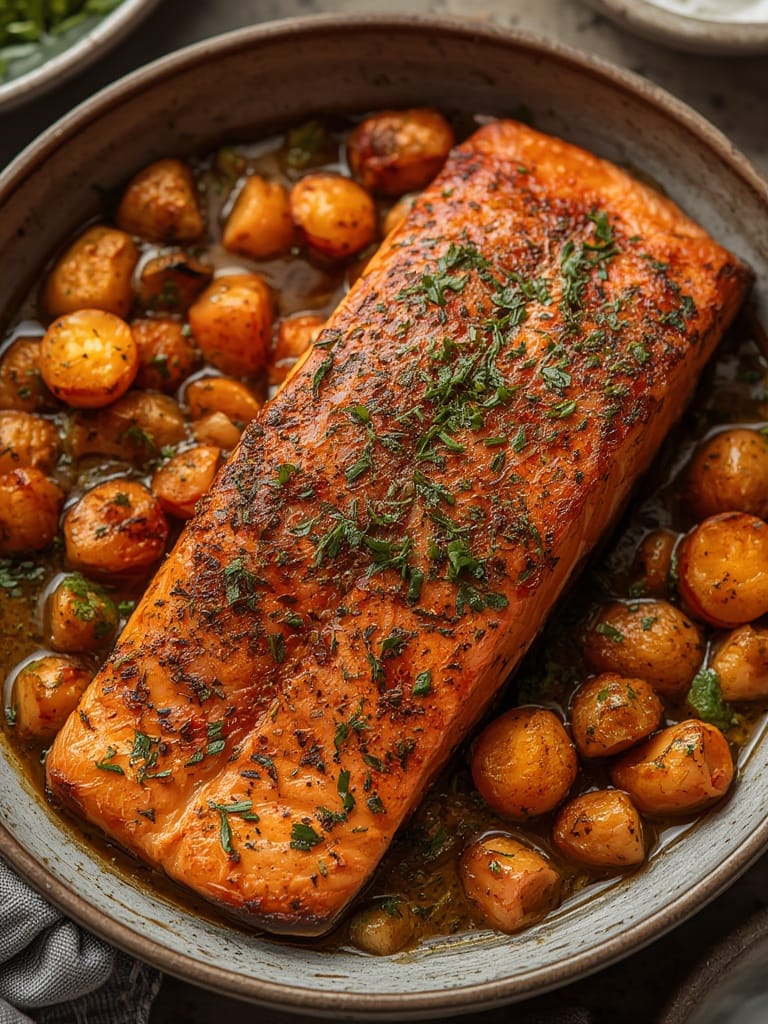
Best Sockeye Salmon Recipes: Grilled, Baked & Pan-Seared Methods
Have you ever wondered how to transform that vibrant red sockeye salmon into a restaurant-quality meal at home? With its firm texture and rich flavor, sockeye salmon stands out as one of the most versatile and nutritious seafood options available.
Today, we’re diving into mouthwatering sockeye salmon recipes that will impress your family and guests while being surprisingly easy to prepare. From perfectly grilled sockeye salmon recipe with caramelized edges to delicately baked fillets that flake at the touch of a fork, these methods will elevate your seafood cooking game.
Table of Contents
Ingredients List
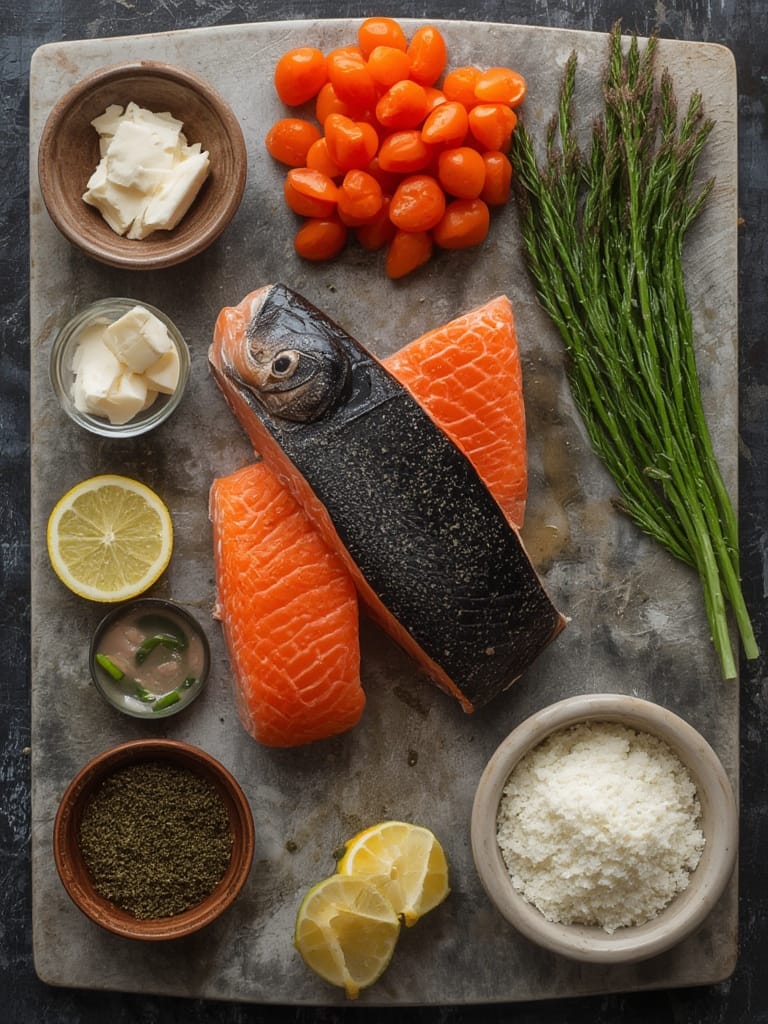
- 4 sockeye salmon fillets (6 oz each, skin-on)
- 3 tablespoons extra virgin olive oil
- 2 tablespoons fresh lemon juice
- 4 garlic cloves, minced
- 1 tablespoon fresh dill, chopped (or 1 teaspoon dried)
- 1 tablespoon fresh thyme leaves (or 1 teaspoon dried)
- 1 teaspoon lemon zest
- 1 teaspoon sea salt
- ½ teaspoon freshly ground black pepper
- ¼ teaspoon smoked paprika (optional for added depth)
Substitution options: Replace olive oil with avocado oil for a higher smoke point when grilling. No fresh herbs? Dried herbs work perfectly at about ⅓ the amount. For a dairy-based option, add 2 tablespoons of butter to the marinade for extra richness.
Timing
Prep time: 15 minutes (includes marinating)
Cooking time: 8-12 minutes (varies by method)
Total time: 30 minutes
This efficient preparation method saves roughly 20 minutes compared to traditional recipes that call for lengthy marination. The quick marinade penetrates the sockeye salmon effectively due to its natural oil content, making this perfect for weeknight dinners without sacrificing flavor.
Step-by-Step Instructions
Step 1: Prepare the Marinade
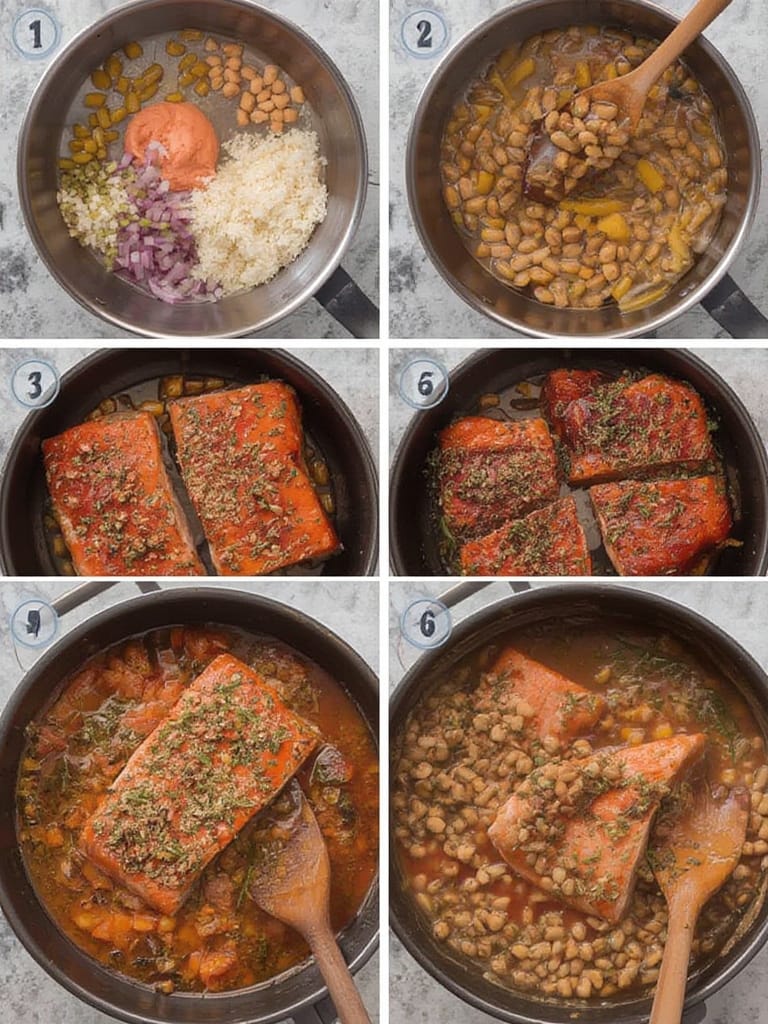
In a small bowl, combine olive oil, lemon juice, minced garlic, herbs, lemon zest, salt, pepper, and smoked paprika if using. Whisk until well blended. Pro tip: Slightly warm the olive oil first to help the herbs release more flavor compounds.
Step 2: Marinate the Salmon
Pat the salmon fillets dry with paper towels. Place them in a shallow dish and pour the marinade over them, ensuring even coating. Let sit for 10-15 minutes at room temperature. Don’t marinate longer than 30 minutes as the acid in lemon juice can start “cooking” the fish.
Step 3: Prepare Your Cooking Method
For Grilling: Preheat grill to medium-high (375-400°F). Oil grates well to prevent sticking.
For Baking: Preheat oven to 375°F. Line a baking sheet with parchment paper.
For Pan-Searing: Heat a cast-iron skillet over medium-high heat with 1 tablespoon of high-heat oil.
Step 4: Cook to Perfection
Grilling: Place salmon skin-side down, close lid, and cook for 4-6 minutes. Flip carefully and grill for another 2-3 minutes for medium doneness.
Baking: Place salmon skin-side down on prepared baking sheet. Bake for 11-14 minutes until just opaque.
Pan-Searing: Place salmon skin-side down in hot skillet. Cook for 4 minutes, flip carefully, and cook for another 2-3 minutes.
Nutritional Information
Per serving (one 6 oz fillet):
- Calories: 320
- Protein: 34g
- Carbohydrates: 2g
- Fat: 19g (healthy omega-3 fats)
- Fiber: 0g
- Vitamin D: 127% of daily value
- Vitamin B12: 236% of daily value
- Selenium: 78% of daily value
Healthier Alternatives for the Recipe
For a lower-fat version, reduce olive oil to 1 tablespoon and bake instead of pan-searing. For a dairy-free option, use coconut aminos instead of butter. To reduce sodium, cut salt in half and use more herbs and lemon for flavor. Sockeye salmon is already a healthy choice, containing nearly 1,000mg of omega-3 fatty acids per serving.
Serving Suggestions
Serve your perfectly cooked sockeye salmon with roasted asparagus and lemon wedges for a classic pairing. For a complete meal, add wild rice or quinoa pilaf. A light cucumber dill yogurt sauce drizzled on top adds brightness. For wine pairing, try a crisp Pinot Grigio or unoaked Chardonnay that won’t overpower the salmon’s delicate flavor.
Common Mistakes to Avoid
- Overcooking: Sockeye salmon cooks quickly due to its lower fat content compared to Atlantic salmon. It’s done when it reaches 125°F for medium-rare or 130°F for medium.
- Not removing pin bones: Always check for pin bones before cooking by running your finger along the fillet.
- Marinating too long: The acid in lemon juice can “cook” the fish if left too long.
- Cooking cold salmon: Always let salmon come to room temperature before cooking for even doneness.
Storing Tips for the Recipe
Refrigerate leftover cooked salmon in an airtight container for up to 3 days. For freezing, wrap tightly in plastic wrap and then foil, and store for up to 2 months. To reheat, gently warm in a 275°F oven until just heated through (about 15 minutes) to prevent drying out. Cold leftover salmon also makes an excellent addition to salads or breakfast scrambles.
Conclusion
These sockeye salmon recipes offer versatile, nutritious, and impressive meal options that are surprisingly simple to master. Whether you prefer the smoky char of grilled salmon, the gentle cooking of baked fillets, or the crispy skin of pan-seared perfection, these methods showcase the natural beauty of this remarkable fish. Try these techniques tonight and discover your favorite way to prepare this nutritional powerhouse!
FAQs
- How can I tell when sockeye salmon is perfectly cooked?
The flesh should be opaque and flake easily with a fork, but still retain moisture. For optimal doneness, use an instant-read thermometer and aim for 125-130°F. - Can I use frozen sockeye salmon for these recipes?
Yes, but thaw completely in the refrigerator overnight and pat dry very thoroughly before cooking to ensure proper browning and texture. - What makes sockeye salmon different from other salmon varieties?
Sockeye salmon has a brighter red color, firmer texture, and more pronounced flavor than other varieties due to its diet of plankton and small crustaceans. It also has a lower fat content than king or Atlantic salmon. - Is it necessary to remove the skin before cooking sockeye salmon?
No, the skin helps hold the fish together during cooking and provides a crispy texture when properly prepared. It’s also rich in nutrients and can be easily removed after cooking if preferred.
Did You Try Our Recipe?
There are no reviews yet. Be the first one to write one.