
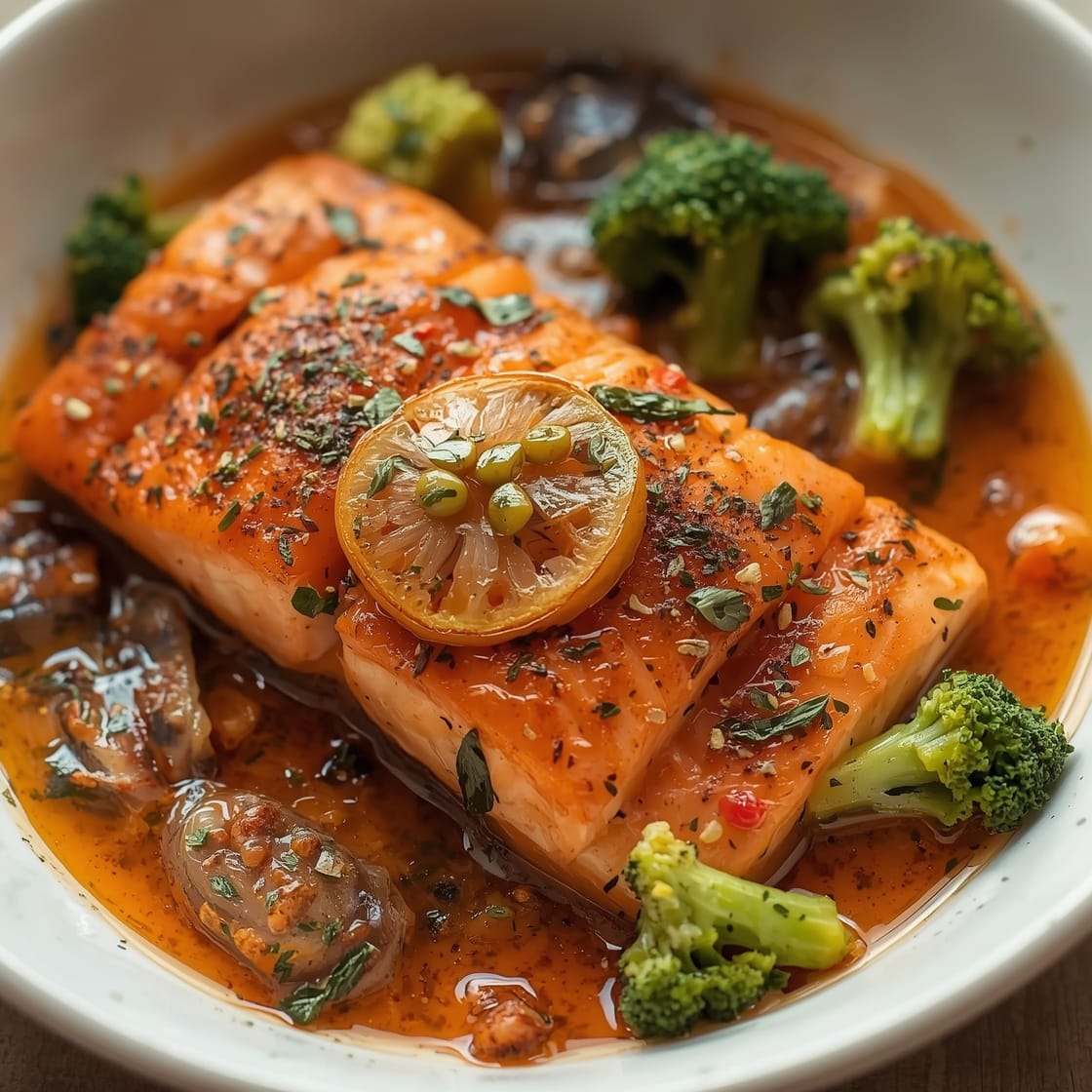
Best way to grow herbs for baked red salmon
Have You Been Missing Fresh Herbs in Your Seafood Dishes?
Nothing elevates a baked red salmon dish quite like fresh herbs harvested from your own garden. The aromatic flavors of home-grown dill, parsley, and thyme can transform an ordinary salmon recipe into a culinary masterpiece.
Whether you’re a seasoned gardener or a complete novice, growing herbs specifically for your lemon herb baked salmon is easier than you might think. Let’s explore how to create the perfect herb garden to complement your favorite salmon dishes.
Table of Contents
Ingredients List
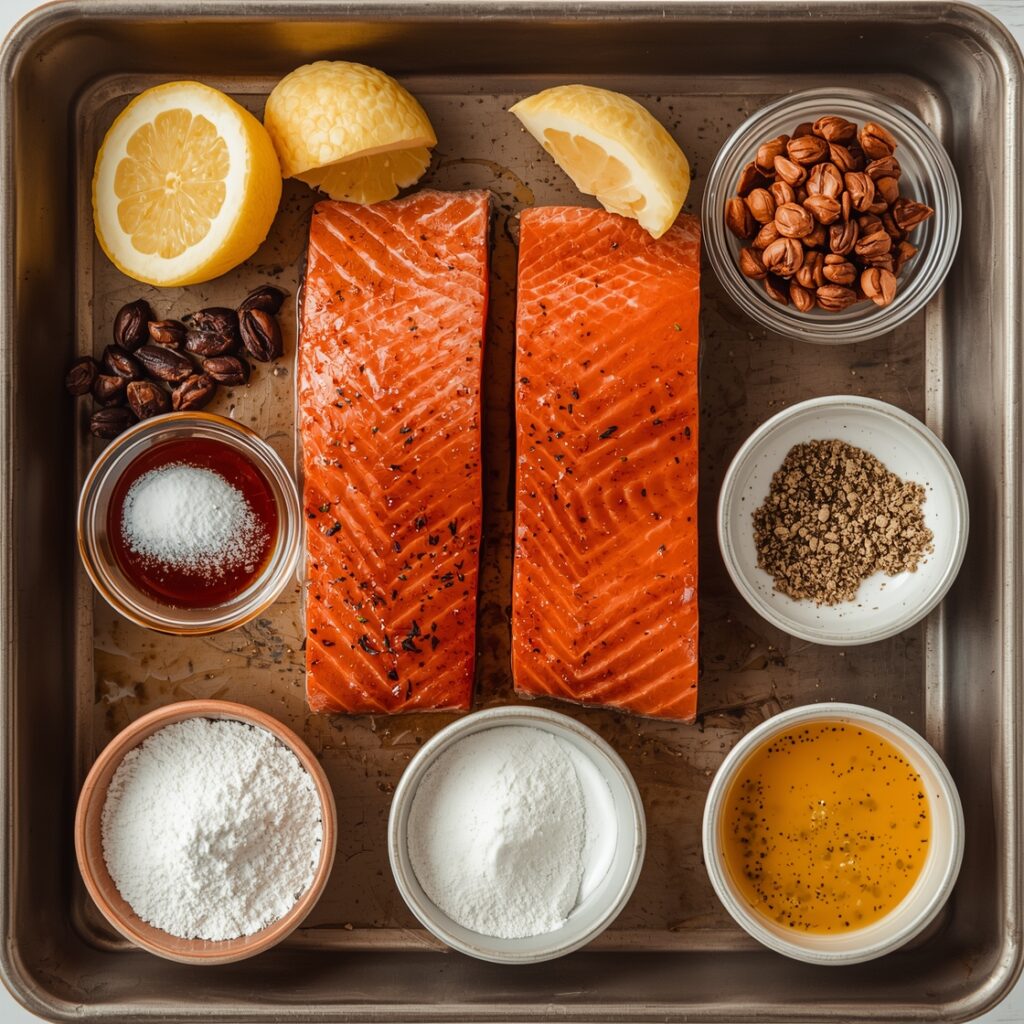
For your herb garden:
– 4-6 small pots or containers (6-8 inches in diameter)
– High-quality potting soil with good drainage
– Organic compost or slow-release fertilizer
– Dill seeds or seedlings (essential for baked red salmon)
– Parsley seeds or seedlings (flat-leaf preferred)
– Thyme seedlings (lemon thyme works beautifully)
– Chives seedlings or divisions
– Rosemary plant (optional but recommended)
– Mint seedlings (contained in separate pot)
– Watering can or spray bottle
– Plant markers or labels
Timing
Preparation Time: 2-3 hours for initial setup
Growth Time Until First Harvest: 3-6 weeks (depending on herbs and whether started from seed or seedling)
Time Saved: Growing your own herbs saves approximately 15-20 minutes per cooking session by eliminating last-minute grocery store runs, plus you’ll save an average of $5-7 per recipe on store-bought herbs.
Step-by-Step Instructions
Step 1: Choose Your Location
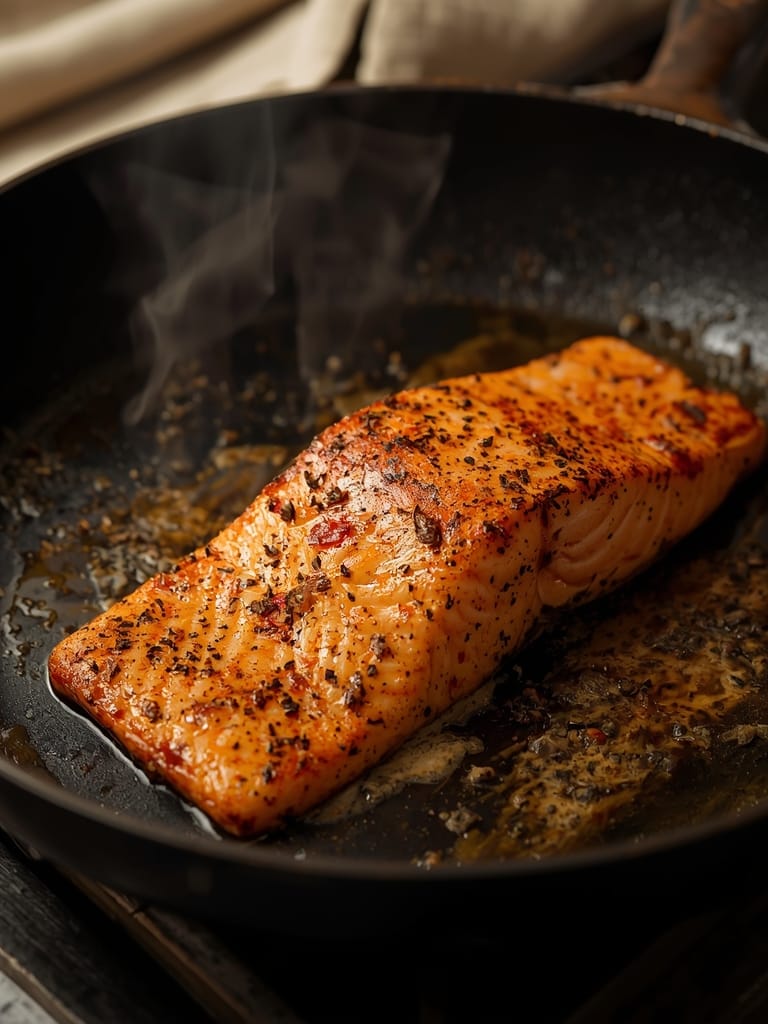
Select a spot that receives 6-8 hours of sunlight daily. A south-facing windowsill or balcony works perfectly. For baked red salmon herbs, adequate light ensures the most flavorful leaves.
Step 2: Prepare Your Containers
Ensure all pots have drainage holes. Fill each container with potting mix, leaving about an inch of space at the top. Mix in a small amount of compost or slow-release fertilizer.
Step 3: Plant Your Herbs
For seeds: Sow according to package directions, typically 1/4 inch deep.
For seedlings: Create a hole slightly larger than the root ball, place the seedling in, and gently firm soil around it.
Step 4: Water and Maintain
Water thoroughly after planting, then maintain consistent moisture without overwatering. Most herbs prefer to dry slightly between waterings.
Nutritional Information
Growing your own herbs for baked red salmon increases nutritional value:
– Fresh dill: Contains vitamins A and C, calcium, iron, and manganese
– Parsley: High in vitamins K, C, and A
– Thyme: Rich in vitamin C, potassium, and manganese
– Rosemary: Contains antioxidants and anti-inflammatory compounds
Healthier Alternatives for the Recipe
– For container-limited spaces: Focus on dill and parsley, the two most essential herbs for salmon
– For indoor-only gardeners: Choose compact varieties like “Fernleaf” dill and dwarf parsley
– For beginners: Start with seedlings rather than seeds for faster results
– For year-round harvests: Consider a small indoor hydroponic system
Serving Suggestions
Harvest herbs just before preparing your baked red salmon for maximum flavor. Combine freshly snipped dill, parsley, and lemon thyme with butter or olive oil, lemon zest, and minced garlic for an incredible herb butter to top your salmon.
Common Mistakes to Avoid
– Overwatering herbs (more die from too much water than too little)
– Placing mint in the same container as other herbs (it will take over)
– Harvesting more than 1/3 of the plant at once (stunts regrowth)
– Using garden soil instead of potting mix (leads to poor drainage)
Storing Tips for the Recipe
Fresh-cut herbs can be stored in a glass of water in the refrigerator for 1-2 weeks. For longer storage, chop herbs, mix with olive oil, and freeze in ice cube trays for perfect portions every time you make baked red salmon.
Conclusion
Growing your own herbs creates a sustainable cycle of fresh ingredients for your baked red salmon dishes. Not only will you save money and reduce waste, but the flavor difference is remarkable. Start small, focus on the herbs you use most, and enjoy the satisfaction of cooking with ingredients you’ve grown yourself.
FAQs
- How often should I water my herb garden?
Most herbs prefer to dry out slightly between waterings. Test by inserting your finger 1 inch into the soil – if it’s dry, water thoroughly. - Can I grow herbs indoors year-round?
Yes, with proper lighting. Consider supplemental grow lights during winter months to maintain healthy plants. - Which herbs are absolutely essential for baked red salmon?
Dill and parsley are the most important, followed by thyme and chives. - How do I prevent pests on my herb plants?
Inspect regularly, use neem oil for organic pest control, and ensure good air circulation between plants.
Did You Try Our Recipe?
There are no reviews yet. Be the first one to write one.